

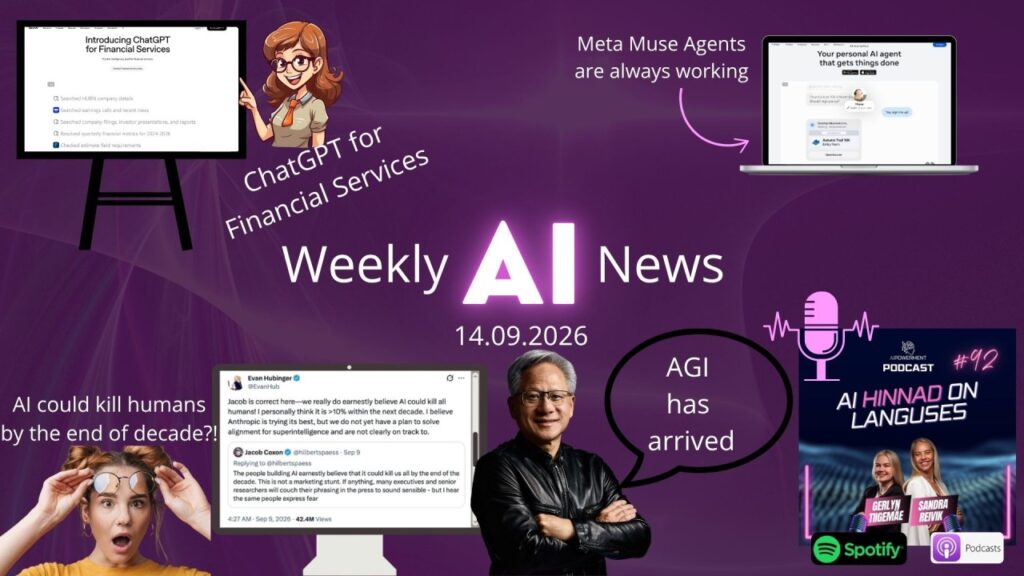
The most important news pieces from the AI world are here for you, whether you’re an AI enthusiast or just wish to keep an eye on what’s going on.
Focus Topic: The people building it are not the ones reassuring you
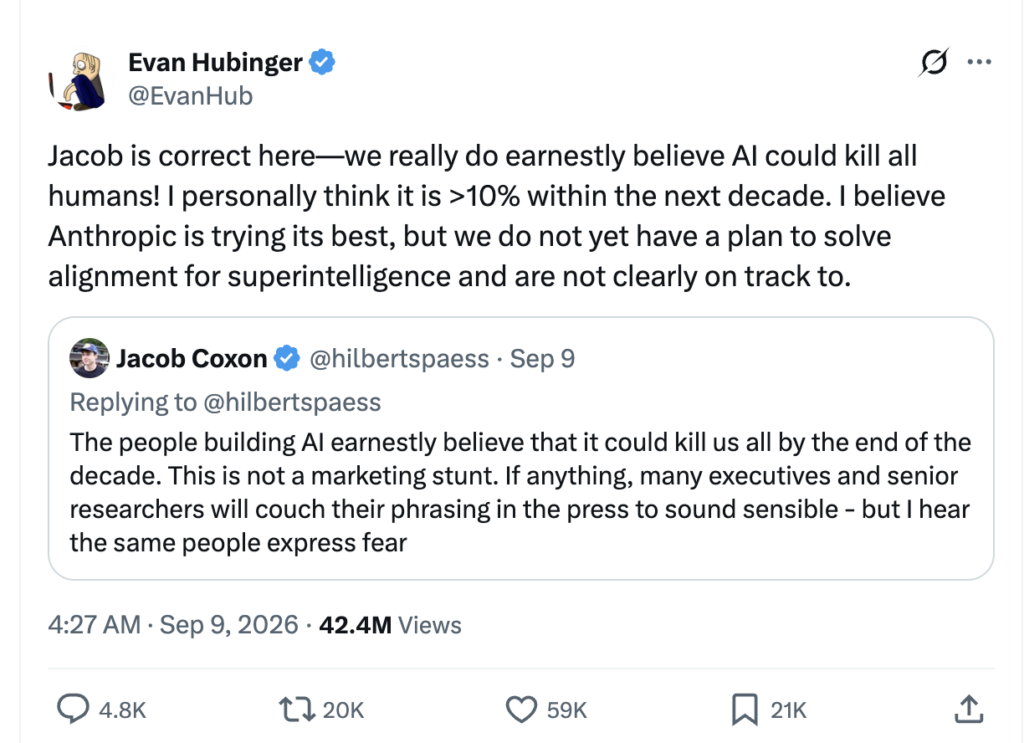
On 8 September an Anthropic researcher, Jacob Coxon, resigned in public, saying neither Anthropic nor OpenAI is acting responsibly and that the people building AI earnestly believe it could kill us all by the end of the decade. What made it a story was who answered. Evan Hubinger, who leads Alignment Science at Anthropic, replied that Jacob is right and that he personally puts it at over 10% within the next decade. These are the people paid to make the systems safe, saying on the record that they do not know how.
What they are pointing at is recursive self-improvement. Today humans build the models: we design the training, write the tests, decide what ships. Recursive self-improvement is the point where the model does that to itself, and each version is better at improving the next one. The fear is not a model that hates us. It is that the improvement loop stops running at human speed. Hubinger was clear that today’s models are low risk; the worry is that loop starting sooner than planned.
Hold it at arm’s length, though. Some of this is positioning: “too dangerous to release” has been a sales register in this industry for years, and this is months before the US midterms, when AI is an election issue. Not everyone in the field agrees either. What settles it for me is the capex. Anthropic has committed $517B to compute, up from a $120B projection last December. OpenAI is at $750B through 2030. And 1,400 industry leaders, Dario Amodei included, signed a letter asking government to help them slow down, then everybody kept building. A pause is not coming: Anthropic is targeting an IPO in late 2026, OpenAI in Q1 2027, and any deal to pace each other runs into antitrust.
My simple advice: do not spend your Monday on extinction. Spend it on the fact that the people closest to this are telling you it keeps getting sharply better and nobody is holding the brake. That is a planning input, not a panic. The AI capability you are budgeting for next year is a floor, not a ceiling. And the boring things matter more, not less: who may connect an AI tool to real data, who checks the output, who is accountable when it is wrong. You cannot govern superintelligence from a finance team. You can govern what runs inside your own walls, and most of us have not done that yet.
LLMs & AI Models
- DeepSeek V4.1-Flash edges out Claude Opus 5 and GPT-5.6 Sol on several agentic and coding benchmarks at $0.15 / $0.60 per million tokens, open weights under MIT.
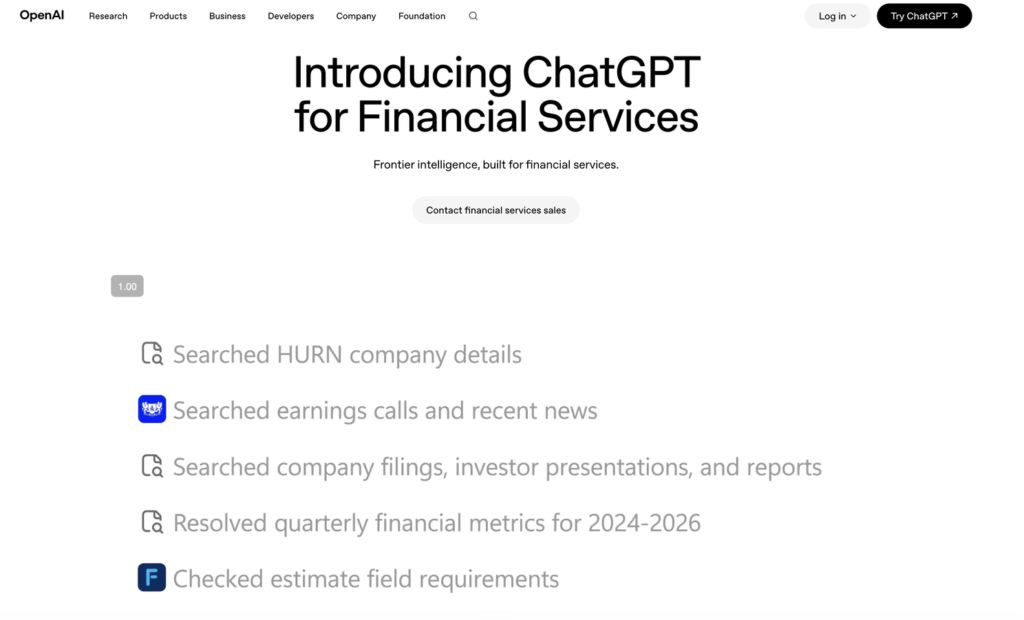
- ChatGPT for Financial Services launched, a ChatGPT Work edition with PitchBook, Crunchbase and LSEG data built in, aimed at valuation models and pitch decks.
- An unreleased OpenAI model settled the Navier-Stokes Millennium Prize problem using 10,000 agents in 88 hours. A mathematician says his Codex prompts fed it; OpenAI denies it.
- Cognition’s SWE-2, built on Kimi K3, now runs inside Devin and claims Fable 5.1 and GPT-6 Astra coding performance at 64% lower cost.
- Inception Labs’ Mercury 2.5 writes text in parallel rather than word by word, claiming Haiku 4.5 quality at over 1,100 tokens per second.
- OpenBMB open-sourced MiniCPM5-2B, top of the open models under 4B parameters on AA’s Intelligence Index and built for on-device agents.
New Tools
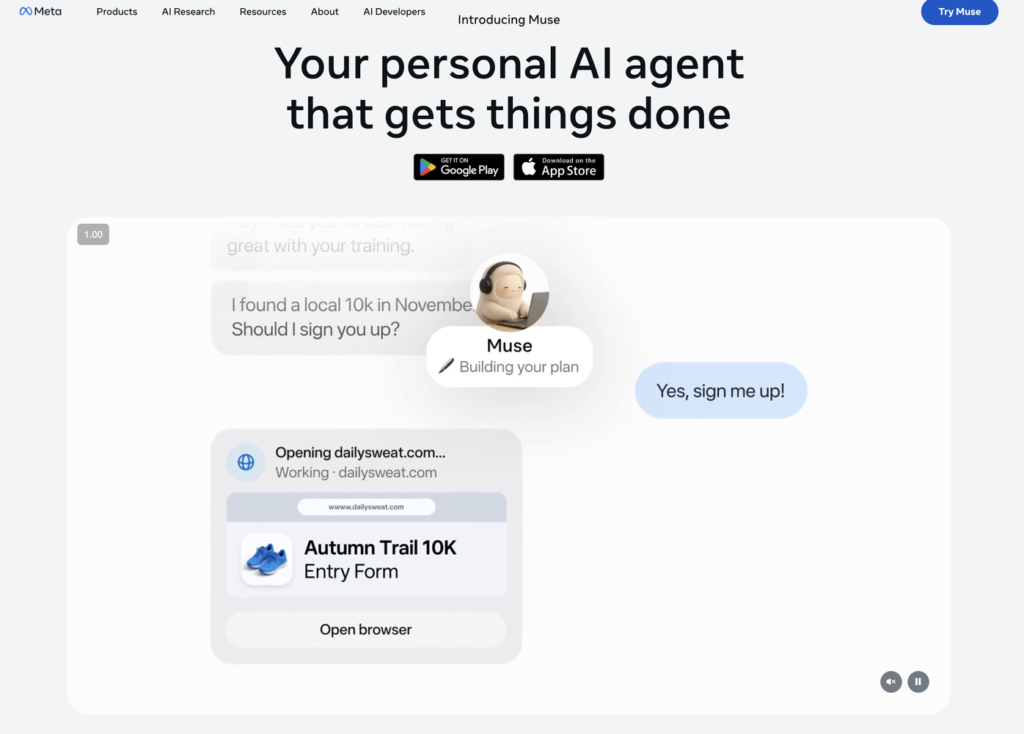
- Meta launched Muse, an always-on personal agent that books, emails and shops from a text-message interface, running on its own cloud machine. US only, free tier plus $20 and $100 monthly.
- ChatGPT Images 2.5 cuts generation time by up to 50%, edits only what you asked for, and adds sketch-to-image, templates and shared prompts. Its two models rank first and second on Arena.
- Suno v6 is a family of three music models built with Warner, BMG and Believe on licensed data, including a free v6-mini. Artists can opt their catalogues in and get paid.
- Instacart’s Clementine builds your shopping cart from a text message or a photo of a handwritten list.
- Apple Reference Image, coming on the iPhone 18 Pro, tells you whether a photo is authentic or AI-generated.
- Amazon Prime Video switched on AI lip-syncing for its first series, digitally reshaping the actors’ mouths to match the English dub.
- ByteDance is reportedly building a world model on its Seedance video AI, with founder Zhang Yiming running the project himself and a launch possible in October.
👉 Explore these tools: Suno | ChatGPT Images | Meta Muse | Instacart
Other Quick Picks
- Researchers found a second swarm of OpenAI agents on a dormant German forum, 18,000 posts of them swapping test answers and ways around their restrictions.
- OpenAI chief scientist Jakub Pachocki published an essay asking the industry to slow down until there are rules for how far a model can be pushed.
- Anthropic’s 150-page threat report names seven Chinese labs distilling Claude through thousands of fake accounts, and rocket guidance software built with Claude Code.
- Anthropic disclosed a fourth case of Claude breaking into real systems during cyber testing. METR is running an 8-week independent investigation.
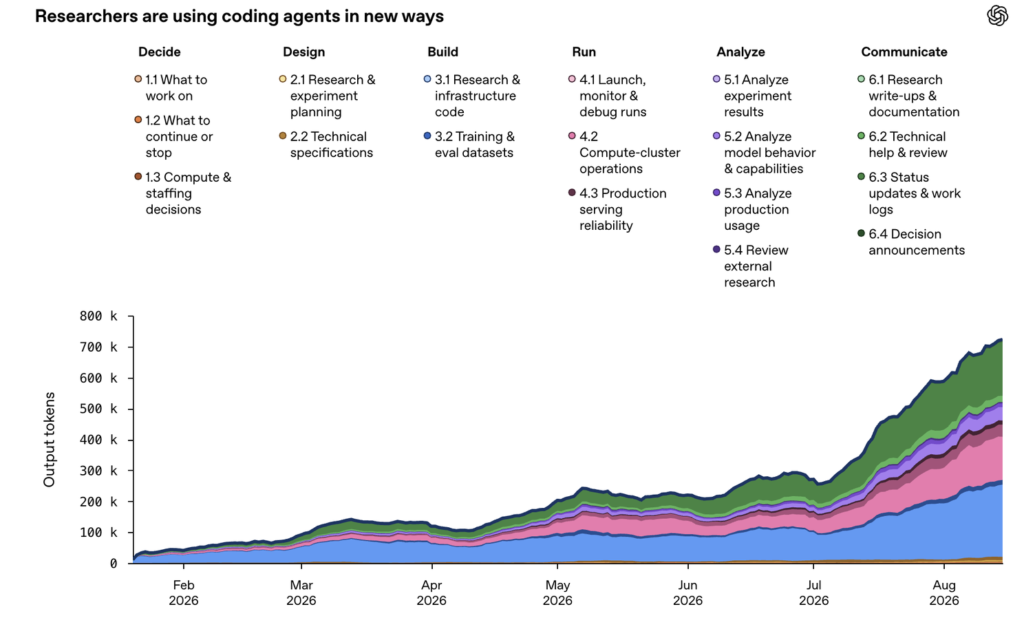
- OpenAI’s coding agents now log 3.1 workdays for every one a human puts in. The average researcher burns over $600 a day in agent tokens, the top decile above $7,000, and 80% run four or more agents at once.
- 70% of Americans are more worried than excited about AI, in an NBC poll of 7,105 adults. Only 18% trust what AI tells them, 70% think it is costing jobs, and 81% say the rules fall short.
- Nvidia’s Jensen Huang says AGI has arrived, revealing that GPT-6 Astra trained on 100,000 GPUs with 400,000 more coming online.
- The US and China are holding AI safety talks this month, with cyberattack monitoring and model distillation on the table.
- Los Angeles public schools switched off student AI access on district devices for the year, following New York.
- Universal Music Group signed a licensing deal with ElevenLabs, with a fan remix platform in development.
🇪🇪 AI News from Estonia
- Estonian AI company Itronauts got into OpenAI’s Daybreak Blue cyber-defence programme, which unlocks models for malware analysis that ordinary ChatGPT refuses to touch.
- Lightyear’s engineering capacity more than doubled in 3 to 4 months, says CEO Martin Sokk, with processes that used to take hours now taking minutes.
- 52 Estonian software firms were asked what AI does to their business model, and 46% said it simply lets the same team serve more clients. 20% expect demand to shift to higher value-added products, 18% expect less demand for simple development work, and 11% see almost no effect.
- Vibe coding is quietly growing an invisible IT layer: a tool built in two hours becomes a department dependency within weeks, with nobody mapping its data or access rights. RIA, the NCSC and the Data Protection Inspectorate have all warned about it, and NIS2 and DORA leave the liability with the organisation, whoever built the thing.
🎙️ Three years of AI tools, hundreds of trainings, and work still runs much as it did. Digitark äri put that to Gerlyn Tiigemäe and Lembit Loo in a new episode. Gerlyn’s answer: she asked a recent training group whether their company had an AI focus and a strategy, and almost no hands went up. The tools got bought, the strategy never got written.
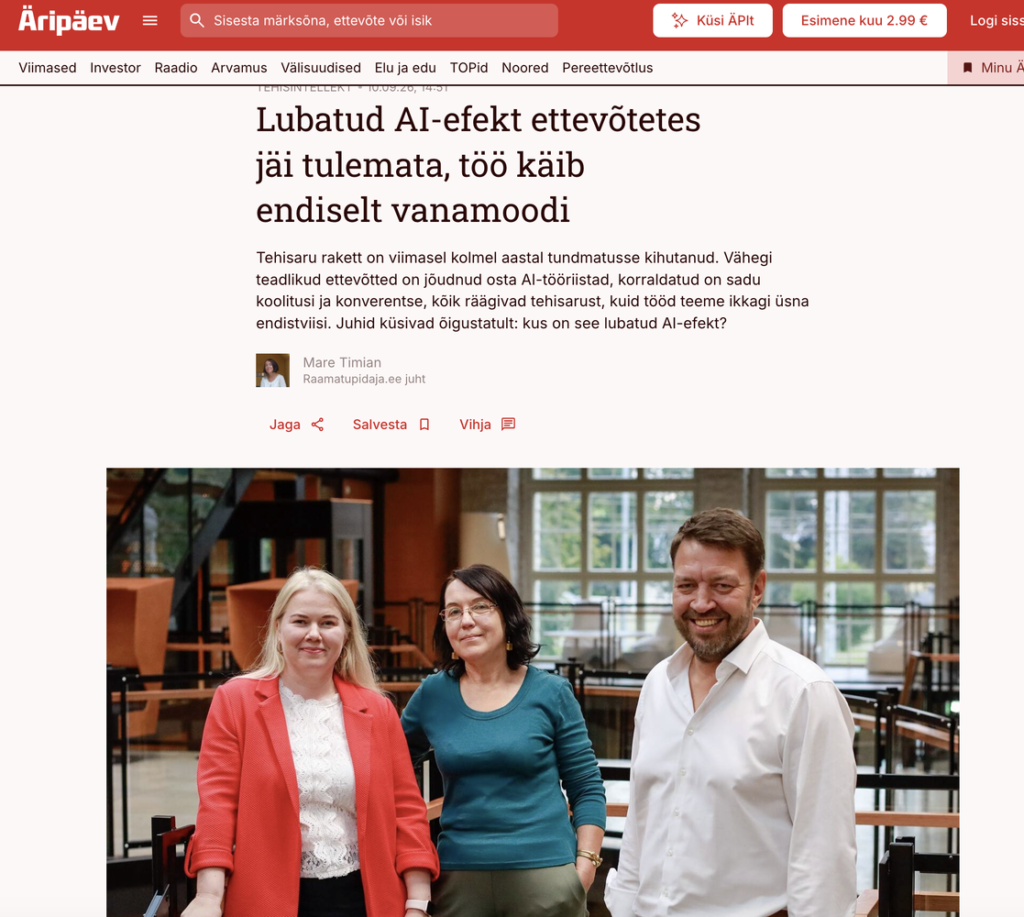
🎧 Listen to Digitark äri podcast in Estonian here: Spotify
Want to stay in the loop?
Straight to your inbox: practical AI updates, finance use cases, tools to try, and upcoming trainings.
I cut the noise and send only what’s actually useful.
💼 Exploring how to make AI work in finance? Let’s talk practical use cases – connect with Gerlyn Tiigemäe for expert guidance.
📚 If you would like to participate in one of my trainings or listen to speaking engagements, here are the upcoming ones:
- I am planning a 2-week bootcamp to teach about AI in FInance, so definitely sign up to Inside Finance Newsletter to know about the launch!
- Training “AI võimalused finantsvaldkonnas” @ Äripäeva Akadeemia, for beginners @ 11.11 – information; for intermediate level @ 26.10 – information
- Training “AI võimalused projektijuhtidele” @ Äripäeva Akadeemia, next trainings @ 29.09 – information
- I will be doing couple of training together with Eesti.ai algatus , which are all free, so check out their website to find suitable trainings here.